
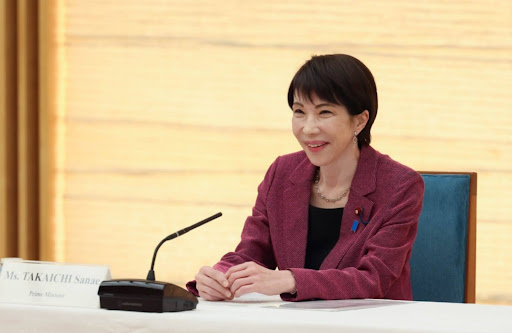
Decades of careful energy security planning are being put to the test as Japan activates the biggest-ever release from its strategic petroleum reserves — 80 million barrels to be distributed to domestic refiners from this Thursday. Prime Minister Sanae Takaichi announced the deployment in response to the US-Israel conflict with Iran, which has disrupted the Strait of Hormuz and threatened the supply of crude oil that Japan depends on for over 90% of its imports. The scale of the response confirms that Japan’s reserve system is working exactly as intended.
Japan’s reserves of approximately 470 million barrels at year-end — covering 254 days of consumption — are the product of consistent government investment in energy security stretching back to the oil shocks of the 1970s. The current 80 million barrel release is equivalent to 45 days of national demand and exceeds by 1.8 times the previous emergency deployment made after the 2011 Fukushima disaster. Energy officials say the release has been calibrated to address the immediate supply gap while preserving sufficient reserves for the long term.
Retail gasoline prices had hit a record ¥190.8 per litre before government subsidies were introduced to cap costs at approximately ¥170. Weekly reviews will keep the subsidy level aligned with real market conditions, allowing for rapid adjustment if prices move significantly in either direction. The government’s active management of both supply and prices reflects a comprehensive energy crisis response framework.
Consumer anxiety has been a complicating factor, with social media spreading fears about shortages of toilet paper and other everyday goods. Industry representatives confirmed that Japan’s toilet paper industry is entirely domestic and not exposed to Middle Eastern supply chain risks, and officials urged calm purchasing behavior. The trade ministry is monitoring retail conditions closely to prevent unnecessary shortages caused by panic buying.
Japan’s diplomatic response to the crisis has been firmly grounded in its constitutional values, with Takaichi declining to deploy naval forces to the Hormuz region and instead focusing on intensive multilateral diplomacy. Her approach reflects Japan’s consistent post-war foreign policy framework: protect national interests through economic and diplomatic means rather than military action. Japan is meeting this test of its energy system and its foreign policy simultaneously, and the early signs suggest it is doing so effectively.