
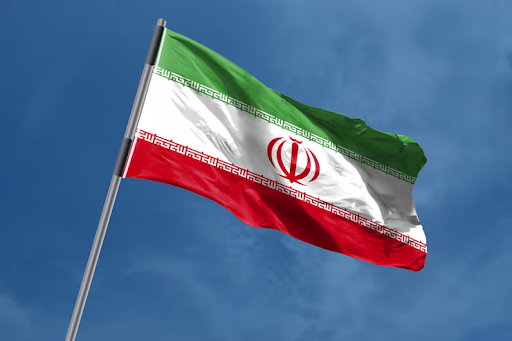
President Trump revealed on Wednesday that a team of senior American officials including his son-in-law Jared Kushner, special envoy Steve Witkoff, Secretary of State Marco Rubio, and Vice President JD Vance were engaged in behind-the-scenes negotiations with parties in the Iranian government. Trump declined to identify who exactly was on the Iranian side of the conversation, and Tehran’s official representatives flatly denied that any such talks were taking place. The contradiction highlighted the extraordinary complexity and opacity of the diplomatic process.
Trump made the disclosure at a Washington fundraiser where he also insisted that Iran’s public rejection of the ceasefire proposal did not reflect its leaders’ true desires. He claimed Iranian officials wanted a deal “so badly” but were afraid to say so publicly, fearing both domestic backlash and the possibility of being targeted by the US. His remarks were striking for their candour about the dangers facing Iranian leaders who might pursue peace.
Kushner’s involvement in the Iran file was consistent with his broader role in Middle East diplomacy, having previously been a central figure in the Abraham Accords and other regional initiatives. Whether his involvement was proving productive in the current context was unclear, given the denials from Iran’s foreign ministry and military. The White House cautioned reporters not to read too much into any specific reports about the state of negotiations.
The administration’s position was further complicated by the fact that Iran was simultaneously conducting military operations against Israel and Gulf states even while the White House claimed talks were ongoing. Iran launched drone and missile attacks throughout Wednesday, including strikes that caused a fire at Kuwait International Airport and triggered missile sirens in Israel multiple times. Pursuing diplomacy and military operations simultaneously was a strategy Iran had employed before, using both tracks as leverage.
For Trump, the stakes were very personal as well as political. His approval rating had dropped to 36%, and the Iran war was cited as a primary reason. The May 14 Beijing trip represented a self-imposed deadline by which he hoped to have the conflict resolved. Whether Kushner, Witkoff, Rubio, and Vance could collectively bring Iran to the table on terms both sides could publicly accept remained one of the most consequential questions of the moment.