
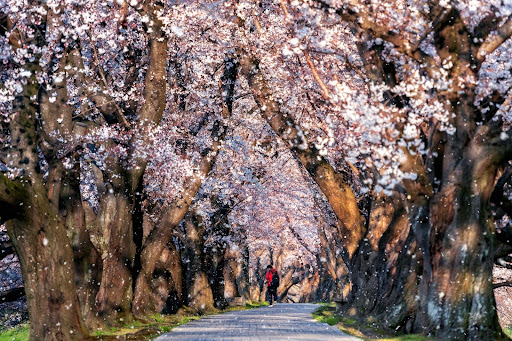
In India’s mountain communities, cherry and apricot blossoms are more than flowers — they are seasonal markers, cultural symbols, and emotional touchstones that connect people to their landscapes, their histories, and each other in ways that go far beyond aesthetics. Understanding the cultural meaning of blossoms in these communities transforms the experience of witnessing them from a simple nature trip into a genuinely enriching encounter with some of India’s most distinctive regional cultures. The stories that locals tell about their blossom seasons reveal how deeply the seasonal flowering is woven into the fabric of mountain community life.
In Kashmir’s Srinagar, the cherry blossom season carries a meaning that goes far beyond the visual beauty of the flowers themselves. An elderly shikara boatman on Dal Lake once explained to a visitor that local people wait for the blossom season every year because it means that spring, tourists, and life are returning to the valley — a sentiment that captures the emotional significance of the seasonal transformation for residents of a place where the arrival of warmth after winter carries particular resonance. The tradition of families gathering in the evenings along Dal Lake to watch children catch falling petals connects the seasonal spectacle to a ritual of good luck and communal joy that has been maintained across generations.
In Ladakh, the Apricot Blossom Festival carries cultural meaning rooted in the community’s relationship with the land and its fruits. The apricots that will be harvested later in the year begin their journey in the blossoms that now cover the trees, and the festival celebrates this beginning with a cultural program that honors traditional architecture, organic farming practices, and the distinctive identity of Ladakhi mountain culture. For local residents, the blossom season is a moment of community pride and cultural expression as much as a natural spectacle.
In Himachal Pradesh’s Kullu Valley, the blossom season carries the meaning of seasonal renewal after months of mountain winter. A local travel enthusiast who has spent years documenting the orchards of Dobhi village describes the moment the valley’s plum trees burst into white bloom as “the most delirious sight” — an eruption of life and color after a long season of stillness that feels emotionally overwhelming even after years of annual witnessing. The meaning here is elemental — the return of life, warmth, and beauty to a landscape that winter had stripped to its bare essentials.
In Shillong, the cherry blossom festival has developed cultural meaning around the paradox of autumn flowering — the unexpected appearance of spring-like color in the northeast’s misty November landscape. Travel creators who have participated in the festival describe the experience of walking through the blooming lanes of Upper Shillong as “witnessing a fleeting pink autumn that feels less like a secret the mountains are finally sharing” — a phrase that captures both the cultural intimacy of the event and the quality of intimate revelation that accompanies an unexpected natural beauty. India’s mountain blossoms are more than flowers; they are living cultural expressions of the communities that grow them.