
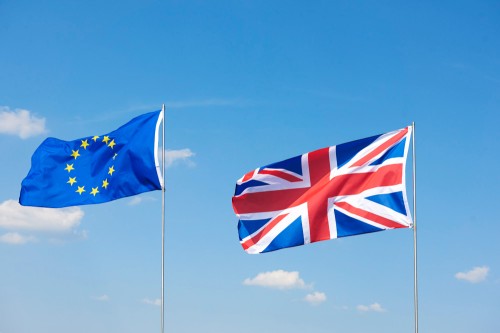
The UK is considering new strategies to enhance trade relations with the European Union, focusing on the concept of a single market for goods. This initiative comes as part of broader efforts to strengthen economic ties post-Brexit and stimulate economic growth. Recently, senior officials from the UK engaged in discussions in Brussels with their European counterparts to explore ways to improve economic cooperation.
Despite the UK’s interest, the proposal for a single market has not gained traction with EU officials. Instead, they have put forward alternatives such as forming a customs union or joining the European Economic Area (EEA). However, these options face political hurdles in the UK, as the government remains firm against rejoining the EU single market, entering into a customs union, or accepting the free movement of people.
Anticipation is building for the upcoming UK-EU summit, slated for July, where both parties are expected to discuss several practical agreements. Key topics on the agenda include establishing a veterinary and food standards deal to facilitate trade in agricultural products, linking carbon emissions trading systems, and creating a youth mobility program to enhance opportunities for study and work.
The UK is also seeking to foster closer ties in areas such as defense, steel, electric vehicles, and technology. British officials are hopeful that improved trade arrangements will not only support the nation’s long-term economic growth but also bolster industrial cooperation across Europe. Nevertheless, the EU remains cautious about granting the UK special access to the single market, expressing concerns that such an arrangement could embolden Eurosceptic movements across the continent.
As negotiations progress in the lead-up to the summit, both the UK and the EU continue to navigate these complex discussions, aiming to find common ground that could pave the way for enhanced economic collaboration.