
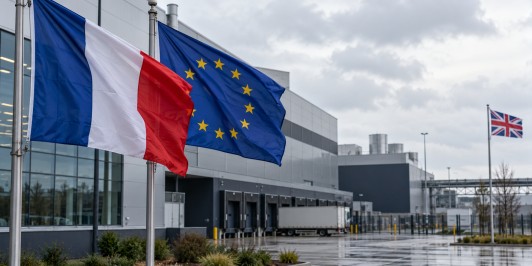
France is advocating for the European Union’s proposed “Made in Europe” rules to focus exclusively on companies operating within the EU, a move that could potentially exclude British firms from benefiting from public contracts and incentives in key industries. This proposal is part of the Industrial Accelerator Act, which aims to boost demand for low-carbon European-made products across sectors such as steel, cement, aluminium, electric vehicles, and other net-zero technologies through public procurement and government support initiatives.
The French government has been pushing for a strict interpretation of the rules that would limit participation to the EU’s 27 member states. In contrast, the UK, now outside the EU single market, is hoping to be recognized as a trusted partner, allowing British companies to continue competing under this new framework. This divergence in approach highlights the ongoing complexities in post-Brexit economic relations between the UK and the EU.
Meanwhile, other EU countries, including Germany and several Nordic nations, are advocating for a more inclusive approach that could potentially encompass trusted non-EU partners like the UK. These countries argue that a broader definition could foster stronger economic ties and collaboration with non-EU countries that share similar values and standards.
The Industrial Accelerator Act is still in the proposal stage and will require negotiations between the European Parliament and the EU Council before it can be officially adopted. These negotiations will be crucial in determining the final scope and impact of the “Made in Europe” rules on both EU and non-EU companies.
The debate over the proposed rules underscores the ongoing tension between protectionist policies and the desire for broader international cooperation within the EU’s strategic industries. As discussions continue, the outcome will not only shape the future of EU industrial policy but also influence the economic relationship between the EU and the UK.