
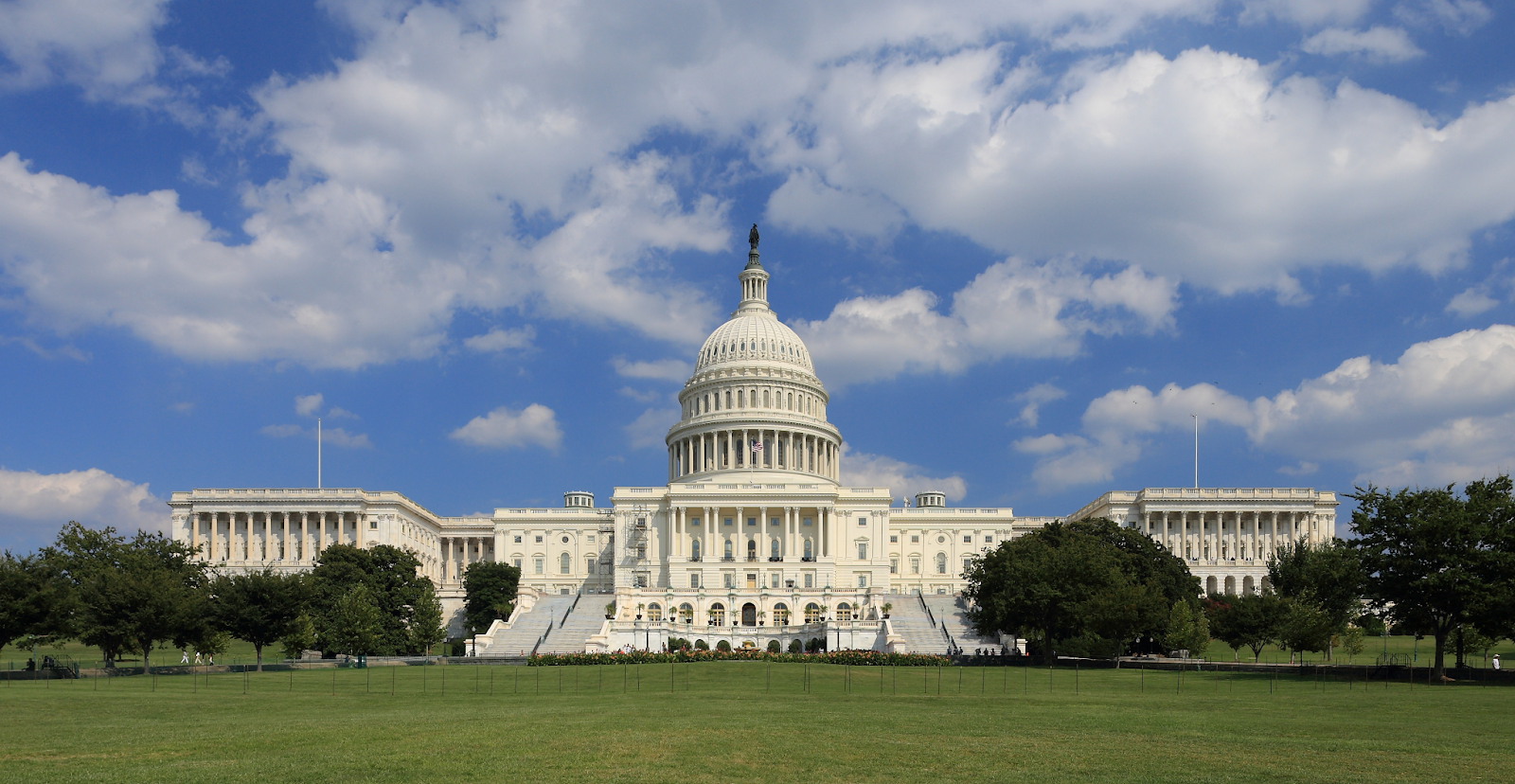
President Trump has endorsed a spending compromise with Senate Democrats that would avert comprehensive government shutdown while deferring resolution of contentious immigration enforcement questions. The Thursday announcement included Trump acknowledging that shutdown remained possible, reflecting both procedural uncertainties and the deeper political tensions surrounding immigration issues. The agreement represents an attempt to separate immediate budget requirements from contentious policy debates that have proven difficult to resolve.
The compromise’s central mechanism involves extracting Department of Homeland Security appropriations from the main government spending bill, creating distinct legislative tracks for different aspects of federal operations. Most agencies would receive funding before Friday’s deadline under the comprehensive package, while DHS would operate under a brief two-week extension providing time for immigration enforcement negotiations. This compartmentalization emerged as Democrats threatened to obstruct all funding unless the administration addressed concerns about immigration agent conduct.
Democratic demands focus on establishing concrete restrictions on immigration agent operations, with proposals including bans on roving patrol tactics, mandatory body cameras during all enforcement activities, and prohibitions on face masks. These demands represent operational changes that would alter how immigration enforcement functions while establishing new accountability mechanisms. The shooting death of nurse Alex Pretti by federal agents in Minneapolis, coming after another shooting of a U.S. citizen in the area, provided both political leverage and moral authority for these reform demands.
The two-week window for DHS funding creates intense pressure for negotiators attempting to bridge fundamental disagreements about immigration enforcement scope and accountability. The Trump administration has pursued aggressive enforcement tactics as a cornerstone achievement, while Democrats have grown increasingly alarmed about operational methods that appear to lack adequate safeguards. The recent shootings have intensified these tensions while creating political imperative for both sides to demonstrate responsiveness to public concerns.
Implementation challenges loom even with Trump’s endorsement in place. House Speaker Mike Johnson acknowledged practical difficulties in recalling members from scheduled break in time to vote before Friday’s deadline, raising the prospect of a brief weekend shutdown despite framework agreement. Trump’s appeal for bipartisan support suggests awareness that passage requires votes from both parties navigating internal divisions and skepticism about compromise. The next several days will test whether this agreement represents a genuine breakthrough or merely postpones confrontation over immigration enforcement practices that have become flashpoints in contemporary political discourse.