
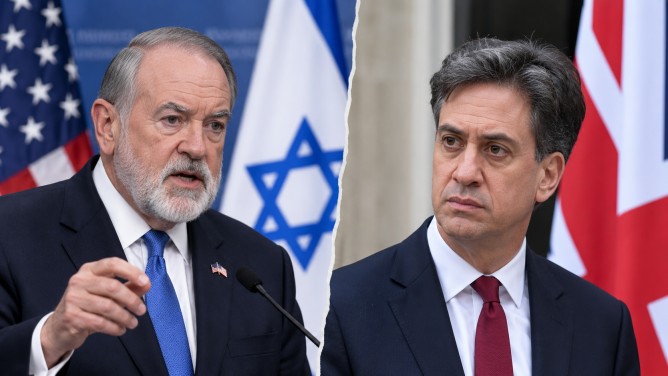
Tensions have flared between the United States and the United Kingdom over the humanitarian situation in Gaza, following remarks by UK Foreign Secretary Ed Miliband. Miliband expressed concern about the blockade of medical and humanitarian supplies to Gaza, citing accounts from aid workers of severe conditions, including the tragic deaths of children awaiting crucial medical attention. In response, US Ambassador to Israel Mike Huckabee accused Miliband of anti-Semitism, alleging that his comments amounted to “Jew hate” and dismissing the claims as unfounded.
Huckabee was supported by Israel’s Foreign Ministry, which refuted the allegations of restricting medical supplies to Gaza. They criticized Miliband for what they described as spreading misleading narratives. Despite these denials, numerous humanitarian organizations have consistently reported challenges in delivering essential aid to the region. These groups have highlighted ongoing shortages of medical supplies and logistical hurdles that impede the functioning of hospitals.
This diplomatic spat emerges as the UK signals a potential shift in its stance towards Israel, with Miliband announcing plans for a “comprehensive reset” of British policy. This reset is anticipated to address issues such as Israeli settlements in the occupied West Bank. Historically, the UK government has voiced criticism over Israel’s handling of humanitarian aid to Gaza, advocating for improved access to necessary supplies.
The disagreement underscores the broader complexities in the UK-Israel relationship, particularly as British officials weigh the implications of altering their policy without jeopardizing vital security and intelligence partnerships. The debate over how to approach the humanitarian crisis in Gaza remains a contentious point in international diplomacy, reflecting the ongoing struggle to balance humanitarian concerns with geopolitical alliances.