
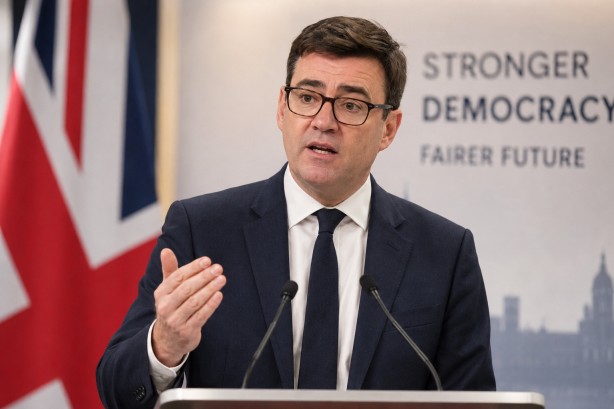
UK Prime Minister Andy Burnham is advocating for a written constitution as a means to support his government’s devolution agenda. He argues that as the political landscape of the UK continues to evolve, there is a growing need for a new constitutional settlement. Burnham emphasizes that decentralizing power and granting regional leaders more financial authority should be underpinned by a codified framework, which would clearly outline the responsibilities of governments across England, Scotland, Wales, and Northern Ireland.
Burnham’s proposals represent a significant move away from the centralized decision-making traditionally associated with Westminster. By transferring more power to regional mayors and local governments, he aims to address regional disparities and promote more balanced economic growth throughout the UK. This shift, he suggests, is essential for reducing inequalities between different regions.
Experts point out that adopting a written constitution would mark one of the most profound constitutional changes in British history. Such a move would necessitate comprehensive reforms that extend beyond just devolution. It would also require a clear definition of the structure and powers of the UK state, ensuring that the roles and responsibilities of various governmental entities are well-defined and understood.
Burnham’s push for a written constitution highlights a broader conversation about the future of governance in the UK. As he advocates for these changes, the debate over how best to manage and distribute power across the UK’s constituent nations gains momentum. This dialogue is crucial for shaping a political framework that is equipped to handle the complexities of a modern, decentralized state.